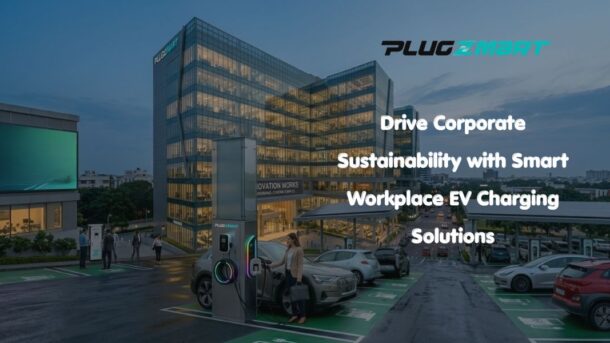
Workplace sustainability has moved beyond energy-efficient lighting and waste reduction programs. As organizations set measurable environmental targets, transportation-related emissions are receiving closer attention. Employee commuting, fleet operations, and visitor travel all contribute to a company’s carbon footprint, and these factors are now part of broader sustainability reporting and ESG commitments.
Electric vehicle adoption is gradually addressing this shift. As more employees and service providers transition to electric mobility, workplaces are expected to support charging access as part of their infrastructure. EV charging is no longer treated as an optional facility. It is becoming part of how companies align operations with sustainability goals.
Why Transportation Is a Key Part of Workplace Sustainability
For many organizations, indirect emissions from commuting and logistics form a significant portion of total emissions. While companies may not control how employees travel, they can influence behavior by providing the right infrastructure.
Workplaces that support EV charging reduce one of the main barriers to adoption: access to reliable daily charging. When employees can charge vehicles at work, the shift to electric mobility becomes more practical, especially in urban environments where home charging may not always be available.
This change has a measurable effect. Increased EV usage reduces fuel consumption, lowers emissions associated with daily travel, and supports long-term environmental targets set by organizations.
EV Charging as Workplace Infrastructure
Installing EV chargers at the workplace changes how a facility operates. Charging infrastructure becomes part of electrical planning, parking management, and energy consumption monitoring.
A typical workplace deployment involves:
- Allocating parking spaces for charging
- Planning electrical load capacity
- Installing chargers that match expected usage
- Integrating monitoring systems for usage and performance
These elements allow organizations to provide consistent charging access without disrupting existing operations.
Charging infrastructure also supports multiple use cases. Employees can charge during working hours, visitors can access charging during meetings, and company fleets can operate more efficiently with scheduled charging cycles.
Supporting Corporate Sustainability Targets
Many companies now track sustainability metrics such as carbon emissions, energy consumption, and resource efficiency. EV charging infrastructure contributes directly to these metrics by enabling cleaner transportation.
Organizations that provide charging facilities can include EV adoption as part of their sustainability reporting. Over time, this contributes to measurable reductions in emissions associated with commuting and logistics.
Charging infrastructure also aligns with broader ESG goals. It demonstrates a commitment to reducing environmental impact while supporting employees and stakeholders who are transitioning to electric mobility.
Practical Considerations for Workplace Charging
Deploying EV charging at the workplace requires careful planning to ensure long-term usability and cost efficiency.
Electrical capacity is one of the first considerations. Buildings must be able to support additional load without affecting other operations. In some cases, load management systems are used to distribute power efficiently across multiple chargers.
Charger selection depends on usage patterns. Offices with long parking durations may rely on moderate-power chargers, while facilities with fleet operations may require higher power units to support quick turnaround times.
Access control is another factor. Organizations often define policies for who can use the chargers, how usage is tracked, and whether charging is offered as a free or paid service.
These decisions influence both operational efficiency and user experience.
Cost and Long-Term Value
The initial investment in EV charging infrastructure includes hardware, installation, and electrical upgrades. While this cost can be significant, the long-term value extends beyond immediate financial return.
Workplace charging can improve employee satisfaction, support recruitment efforts, and strengthen the organization’s environmental positioning. It also prepares the facility for future demand as EV adoption increases.
From an operational perspective, early adoption allows companies to scale infrastructure gradually rather than making large, reactive investments later.
The Shift Toward EV-Ready Workplaces
Building regulations and corporate policies are increasingly encouraging EV-ready infrastructure. New commercial developments are often designed with provisions for charging, including wiring pathways and load planning.
This approach reduces the complexity of future installations and ensures that buildings remain compatible with evolving transportation needs.
Organizations that adopt EV charging early gain flexibility in how they expand infrastructure over time. They can adjust capacity, introduce new charging models, and integrate additional technologies as demand grows.
The Role of Technology in Workplace Charging
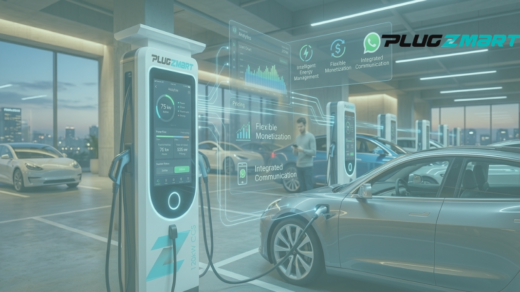
Modern charging systems include software platforms that allow organizations to monitor usage, manage access, and optimize energy consumption.
These systems provide visibility into how chargers are used, helping facility managers make informed decisions about expansion and maintenance. They also support integration with broader energy management systems, allowing workplaces to balance charging demand with overall energy usage.
As charging networks become more complex, this level of control becomes essential for maintaining efficiency and reliability.
Moving Toward Sustainable Operations
Workplace EV charging represents a practical step toward reducing emissions associated with daily operations. It supports employees, aligns with sustainability goals, and prepares organizations for a shift in how transportation is managed.
As electric mobility continues to grow, workplaces will play a central role in enabling that transition. Charging infrastructure will increasingly be treated as a standard component of modern facilities rather than an additional feature.
Organizations that plan for this shift early are better positioned to manage future demand, maintain operational efficiency, and meet their sustainability commitments.
FAQS
Why are companies installing EV chargers at workplaces?
Companies are installing EV chargers to support sustainability goals, reduce transportation-related emissions, and prepare for the growing adoption of electric vehicles among employees and visitors.
How does workplace EV charging support ESG goals?
Workplace charging helps reduce carbon emissions from employee commuting and fleet operations, contributing to environmental targets and broader ESG reporting initiatives.
What are the benefits of EV charging for employees?
Employees gain convenient access to charging during working hours, reducing range anxiety and making EV ownership more practical, especially in cities where home charging may be limited.